
 What you should know:
- A dietary sugar increase of 100 g per day was linked to a 28% higher prevalence of depression.
- However, more research is needed to determine causality and underlying mechanisms.
- A greater daily intake of sugar in people’s diets was associated with a higher prevalence of depression, according to a study published in BMC Psychiatry.
It has been said, “you can eat your feelings” but it may be linked that your food choices can create feelings. A new study from BMC Psychiatry reports high daily sugar intake increases the risk for depression. The researchers analyzed data from 18,439 adults aged 20 years and older who participated in the National Health and Nutrition Examination Survey between 2011 and 2018. The main conclusion was that a 100 g per day increase in sugar was associated with a 28% higher prevalence of depression. The researchers highlighted some possible reasons for the association between sugar and depression such as a high-sugar diet can disrupt the gut microbiota, leading to depression.
 This research stresses the importance of reducing dietary sugar intake and helping the population to become aware of the link between diet and mental health. Health institutions and government agencies can carry out nutritional education and publicity, create relevant policies, and provide guidance for the public to live a healthy lifestyle. However, it is important to note that these applications require further effort to create change than simply stating facts. Diet modification needs to be combined with mental health interventions to yield better results.
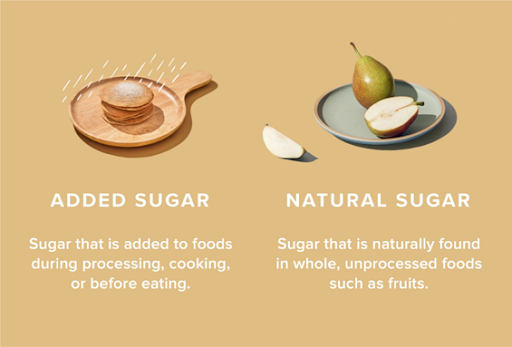
How much added sugar should you consume daily? The answer is NOT zero, you may be surprised to learn. It is suggested by the American Heart Association that men consume 36 grams and women no more than 25 grams of added sugar daily.
https://www.fda.gov/food/nutrition-facts-label/added-sugars-nutrition-facts-label