Yikes! You were recently diagnosed with celiac disease or told to limit gluten due to intolerances, but where is it in your diet? The oblivious culprits that contain wheat, barley, oats and rye such as bread, cereals and pasta can easily be avoided or replaced with gluten free versions, but why are you still having gastric issues?
 Did you know specific foods may not seem like a problem but could be processed using gluten-containing grains. One such example is malt, which is germinated with dried barley. Malt is hidden in certain rice based cereals that you have considered safe. How is it possible to consume gluten when you’re being so careful about what you eat? You may have ingested, or otherwise taken in, “hidden gluten.”
“Hidden” gluten refers to the gluten that is either not mentioned on a product label in a way that is obvious or is in products that may not seem likely to contain gluten but do. At times, gluten isn’t really hiding, but you have to check ingredients carefully – or contact the manufacturer – to identify it.
Gluten-Containing Grains and Their Derivatives
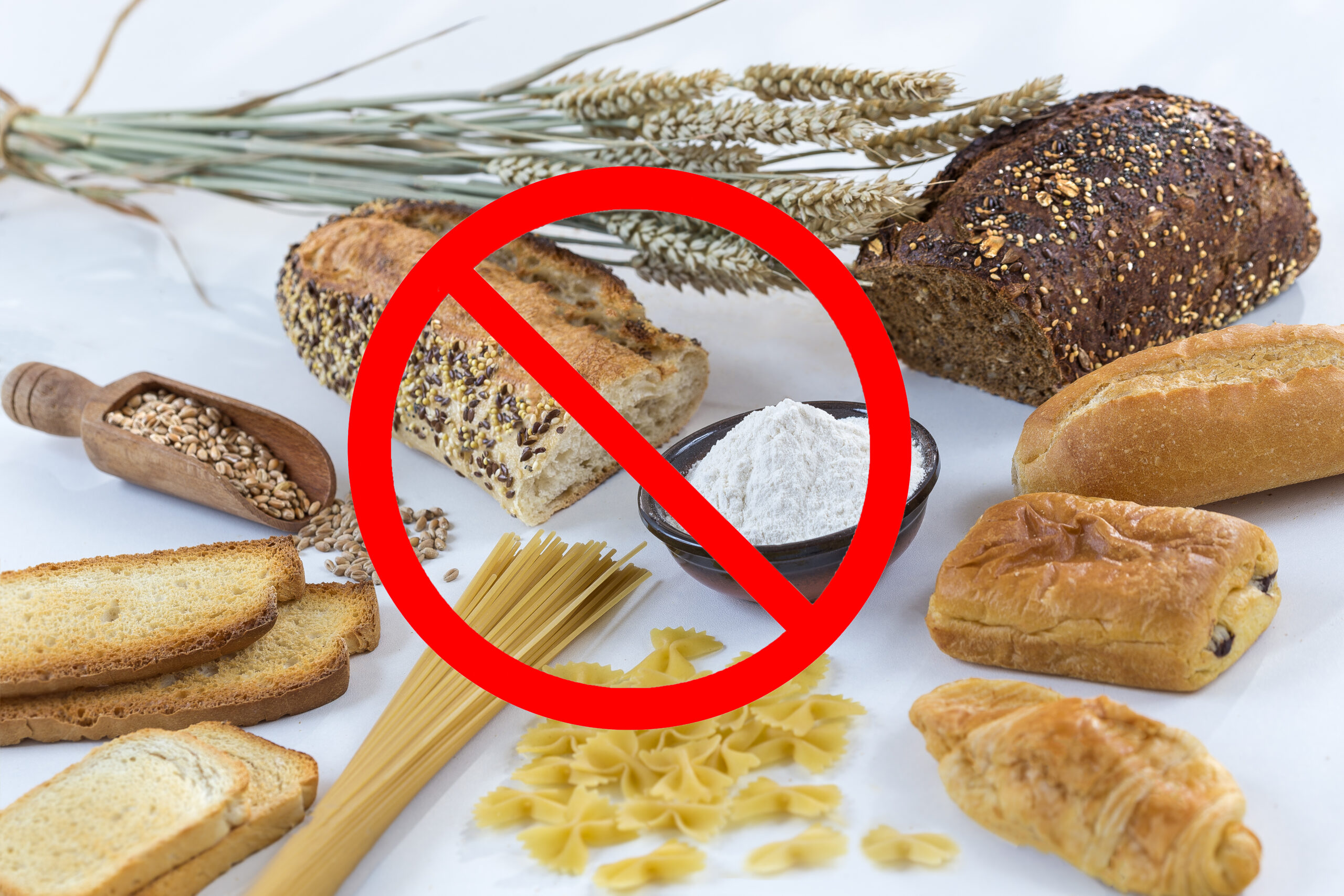
Here is a list of common foods containing gluten and derivatives of wheat such as:
Wheatberries, durum, emmer, semolina, spelt, farina, farro, graham, KAMUT® khorasan wheat, einkorn wheat, rye, barley, triticale, malt in various forms including malted barley flour, malted milk or milkshakes, malt extract, malt syrup, malt flavoring, malt vinegar, Brewer’s Yeast; Wheat Starch that has not been processed to remove the presence of gluten to below 20ppm and adhere to the FDA Labeling Law.
Common Foods That Contain Gluten
- Pastas: raviolis, dumplings, couscous, and gnocchi
- Noodles: ramen, udon, soba (those made with only a percentage of buckwheat flour) chow mein, and egg noodles. (Note: rice noodles and mung bean noodles are gluten free)
- Breads and Pastries: croissants, pita, naan, bagels, flatbreads, cornbread, potato bread, muffins, donuts, rolls
- Crackers: pretzels, goldfish, graham crackers
- Baked Goods: cakes, cookies, pie crusts, brownies
- Cereal & Granola: corn flakes and rice puffs often contain malt extract/flavoring, granola often made with regular oats, not gluten-free oats
- Breakfast Foods: pancakes, waffles, French toast, crepes, and biscuits.
- Breading & Coating Mixes: panko breadcrumbs; Croutons: stuffings, dressings; Sauces & Gravies (many use wheat flour as a thickener); traditional soy sauce, cream sauces made with a roux; Flour tortillas; Beer (unless explicitly gluten-free) and any malt beverages (see “Distilled Beverages and Vinegars” below for more information on alcoholic beverages); Brewer’s Yeast; Anything else that uses “wheat flour” as an ingredient
Additional Foods That May Contain Gluten
These foods must be verified by reading the label or checking with the manufacturer/kitchen staff.
Energy Bars/Granola Bars
Some bars may contain wheat as an ingredient, and most use oats that are not gluten-free; French fries – be careful of batter containing wheat flour or cross-contact from fryers; Potato chips – some potato chip seasonings may contain malt vinegar or wheat starch; Processed lunch meats; Candy and candy bars; Soup – pay special attention to cream-based soups, which have flour as a thickener. Many soups also contain barley; Multi-grain or “artisan” tortilla chips or tortillas that are not entirely corn-based may contain a wheat-based ingredient; Salad dressings and marinades – may contain malt vinegar, soy sauce, flour; Starch or dextrin if found on a meat or poultry product could be from any grain, including wheat; Brown rice syrup – may be made with barley enzymes; Meat substitutes made with seitan (wheat gluten) such as vegetarian burgers, vegetarian sausage, imitation bacon, imitation seafood (Note: tofu is gluten-free, but be cautious of soy sauce marinades and cross-contact when eating out, especially when the tofu is fried); Soy sauce (though tamari made without wheat is gluten-free); Self-basting poultry; Pre-seasoned meats; Cheesecake filling – some recipes include wheat flour; Eggs served at restaurants – some restaurants put pancake batter in their scrambled eggs and omelets, but on their own, eggs are naturally gluten-free
Distilled Beverages and Vinegars
Most distilled alcoholic beverages and vinegars are gluten-free. These distilled products do not contain any harmful gluten peptides even if they are made from gluten-containing grains. Research indicates that the gluten peptide is too large to carry over in the distillation process, leaving the resulting liquid gluten-free. However, some types of alcoholic beverages do contain an unsafe amount of gluten for people with celiac disease and include those with added color or flavoring such as dessert wines, and those made from barley malt, such as bottled wine coolers. For these, consumers should check the label, and if in doubt, contact the company. Beers, ales, lagers, malt beverages and malt vinegars that are made from gluten-containing grains are not distilled and therefore are not gluten-free. There are several brands of gluten-free beers available in the United States and abroad.
Other Items That Must Be Verified by Reading The Label Or Checking With The Manufacturer
Lipstick, lip gloss, lip balm, or other cosmetic used near the mouth because they may be unintentionally ingested; Oral care and dental products; Communion wafers; Herbal or nutritional supplements; Drugs and over-the-counter medications, vitamins and supplements; Play-dough: children may touch their mouths or eat after handling wheat-based play-dough. For a safer alternative, make homemade play-dough with gluten-free flour.
Label Reading
Products labeled wheat-free are not necessarily gluten-free. They may still contain spelt (a form of wheat), rye, or barley-based ingredients that are not gluten-free. To confirm if something is gluten-free, be sure to refer to the product’s ingredient list. If there are any questionable ingredient, put safety first and call the manufacturer
https://celiac.org/gluten-free-living/what-is-gluten/sources-of-gluten/